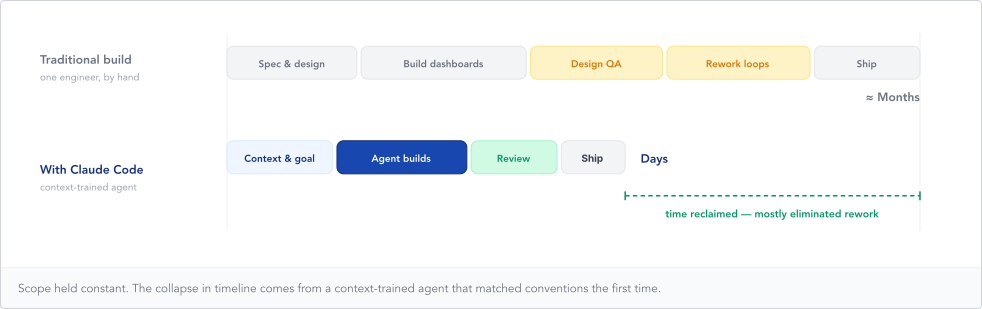
A module like this is normally a multi-month
project.
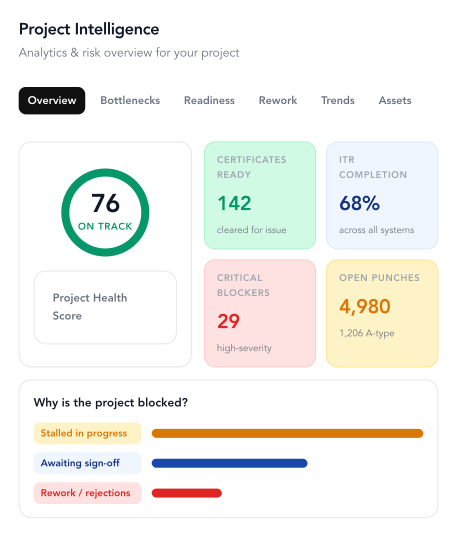
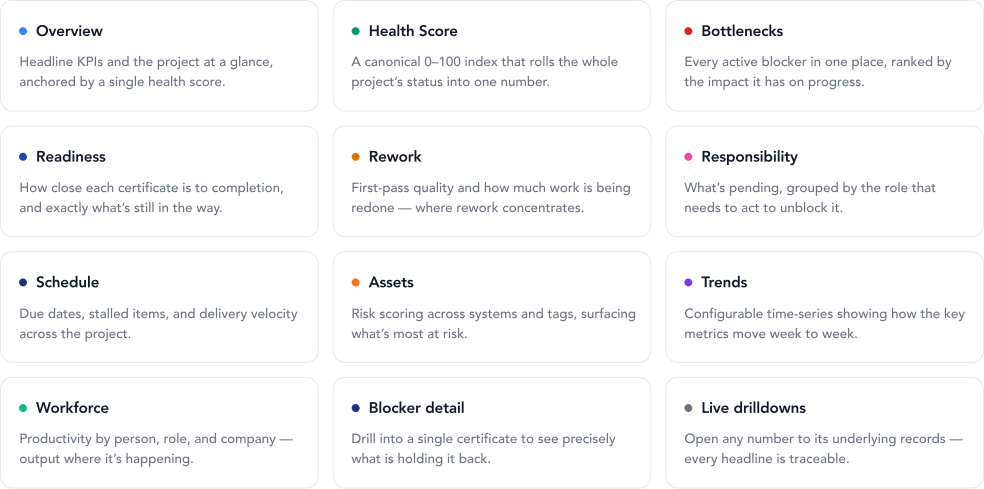
Project Intelligence isn’t one chart. It’s a dozen dashboards, each with its own logic: a single project-health score, an impact-ranked list of every active blocker, certificate readiness, rework and first-pass quality, risk scoring across systems and assets, delivery velocity, and configurable trends over time.Large-scale commissioning and inspection runs on detail. A single project can carry tens of thousands of tags, hundreds of subsystems, and a constant flow of inspection records, punch items, walkdowns and sign-offs, each living in its own part of the platform.
The hard part was never a single calculation. It was the breadth - getting a dozen views right and keeping them consistent — and the finish: every screen had to look, feel and behave like a native part of the existing platform, not a bolted-on analytics tool. Done by hand, that means weeks of building, then more weeks of design QA and rework just to make it all feel like one product.

The expensive part isn’t writing code - it’s the rework. Most of the time in a build like this goes to second passes: re-aligning to conventions, re-styling for consistency, and reconciling one developer’s instincts with the rest of the codebase.